Heritage Insights
Exploring the intersection of tradition, innovation, and British craftsmanship.
The Warrior's Handbook: A Mutual Defence Pact for Britain's Makers
Britain's heritage manufacturers face a two-front war. This is the handbook for fighting back.
The Heritage 100 Alliance
A mutual defence pact for Britain's most important heritage manufacturers.

Made Properly: How Britain's 44 Hidden Manufacturing Gems Are Using 80/20 Principles and AI to Survive the 21st Century
Comprehensive analysis of 44 British heritage manufacturers and their digital transformation opportunities.
British Shoemaking: The Last Stand of Northampton's 800-Year-Old Craft
Inside the world's most resilient manufacturing cluster, where 200+ hand operations create shoes that last a lifetime.
British Textiles: From Yorkshire Wool to Scottish Cashmere
How Britain's mills survive by weaving the world's finest cloth for Chanel, Burberry, and the Royal Household.
Sheffield Steel: The City Where Metal Was Born
Beyond the decline narrative: The specialist forgers and cutlers keeping the 'Made in Sheffield' mark alive.
Stoke-on-Trent: The Potteries' Fight for Survival
From Burleigh's Victorian steam engines to Emma Bridgewater's tourism empire: How the Potteries are reinventing themselves.
British Luxury Accessories: The London Quarter
Watches, jewellery, and the revival of British micro-manufacturing in the luxury sector.
British Furniture: The Art of Seasoned Timber
The joiners and turners preserving the slow craft of furniture making in an IKEA world.
Abraham Moon & Sons Review: Yorkshire Wool Heritage
Review of Abraham Moon & Sons: The last fully vertical wool mill in Yorkshire. Heritage, quality, and interior design uses.
A.W. Hainsworth Review: The Fabric of the Nation
Review of A.W. Hainsworth: 242 years of weaving history. From scarlet military uniforms to billiard cloth.
Camira Fabrics Review: Sustainable Textiles from Huddersfield
Review of Camira Fabrics: How a Huddersfield mill became a global leader in sustainable transport and commercial textiles.
Harris Tweed Hebrides Review: The Cloth Protected by Act of Parliament
Review of Harris Tweed Hebrides: The Shawbost mill driving the global renaissance of the Orb trademark.
Arthur Price Review: Titanic Cutlery & Royal Warrants
Review of Arthur Price: 123 years of Sheffield cutlery heritage. Two Royal Warrants and the Titanic connection.
Crockett & Jones Review: James Bond's Shoemaker
Review of Crockett & Jones: 146 years of Northampton craft. Managing the James Bond connection while maintaining quality.
Edward Green Review: The Finest Shoes in Northampton?
Review of Edward Green: 'Excellence without compromise' since 1890. Analyzing the premium end of British shoemaking.
Gaziano & Girling Review: The Savile Row of Shoemaking
Review of Gaziano & Girling: How two men reinvented high-end British shoes in 2006. Bespoke aesthetics in ready-to-wear.
George Cleverley Review: Bespoke Shoes & The Chisel Toe Legacy
The last of the true English bespoke shoemakers: 67 years of the iconic chisel toe, royal patronage, and unrivaled craft.
Heathcoat Fabrics Review: Devon's 200-Year-Old Technical Textile Secret
From lace to Mars rovers: How a 200-year-old Devon mill became NASA's go-to for parachute fabric and technical textiles.
Johnstons of Elgin Review: Scotland's Last Vertical Mill
Scotland's cashmere crown jewel: 225 years of vertical integration, from raw fibre to finished luxury. A review of heritage and survival.
NPS Solovair Review: The Real British Doc Martens Story
The boots that built a legend: How NPS Solovair kept the original 'Doc Martens' machinery and workers in England when the brand left.
Robert Welch Review: 70 Years of Minimalist Sheffield Design
Scandinavian minimalism meets Sheffield steel: How Robert Welch changed British cutlery design forever.
Samuel Staniforth Review: The 161-Year-Old Commando Dagger Maker
From kitchen knives to commando daggers: How Samuel Staniforth armed British special forces in WWII and continues the craft today.
Sanders & Sanders Review: 152 Years of Military Boot Heritage
The boots that marched through history: 152 years of military contracts, from WWI trenches to the original Desert Boot.
Tricker's Review: Britain's Oldest Shoemaker Since 1829
The heavy brogue that defined English country style: Inside Britain's oldest independent shoemaker.
W.H. Tildesley Review: The Hidden Aerospace Forge of Willenhall
Forging the impossible: How a 152-year-old Black Country forge makes components for F1 cars and aerospace engines.
William Lennon Review: The Last British Heavy Industrial Boot
Built to survive the apocalypse: Inside the last factory in Britain making true heavy industrial boots.
William Mitchell Review: Hand-Cut Calligraphy Nibs Since 1850
The last of the pen makers: How William Mitchell still hand-cuts steel nibs in Birmingham's Jewellery Quarter.
Rogue Journeyman: The Scandal That Nearly Destroyed Tricker's in 1908
In 1908, a single rogue shoemaker nearly brought down Britain's oldest manufacturing dynasty.
The 1980s Takeover Wars: Barbour's Margaret Barbour vs Corporate Raiders
Dame Margaret Barbour didn't just say no to private equity; she built a fortress that no raider could breach.
The Last Will and Testament of John Lobb Himself
In a dusty archive lies the last instructions of the world's greatest shoemaker.
The 200 Steps: Anatomy of a Crockett & Jones Shoe
We break down the 8-week, 200-operation process that turns a cow into a legend.
Harris Tweed: The Only Fabric Protected by Parliament
In 1993, the British government passed an Act of Parliament to protect a fabric.
Burleigh's Victorian Time Machine: The Tissue Transfer Process
Inside the last pottery in the world to use Underglaze Tissue Transfer Printing.
The Succession Crisis: When the Last Master Retires
The average age of a master craftsman in Britain is 55+. What happens when they retire?
Royal Warrants: The £100M Seal of Approval
We crunch the numbers on what a Royal Warrant is actually worth to a British manufacturer.
The Private Equity Playbook: Why Heritage Brands Die
We explain the math behind the destruction of heritage brands by Private Equity.
The King as Patron: How Charles III Saved Heritage Craft
How King Charles III became the single most important figure in the survival of British craftsmanship.
Loake Review: The Gateway to English Heritage Footwear
For many men, Loake is the first 'real' shoe they ever buy.
Cheaney Review: The Great Buy-Back
In 2009, two cousins bought their family factory back from Prada.
John Lobb Review: The Hermes-Owned Bootmaker
£1,300 for a pair of ready-to-wear shoes? We investigate why.
Burleigh Review: The Saviour of Tissue Transfer
Burleigh isn't just a pottery; it's a survivor.
Moorcroft Review: Art Pottery in an Industrial Age
Moorcroft doesn't make dinnerware; they make art.
Emma Bridgewater Review: The Modern Matriarch of Stoke
How a search for a birthday present turned into a £30M pottery empire.
1882 Ltd Review: Design-Led Disruption
Bone china was boring. Then Emily Johnson came along.
Dartington Crystal Review: The Last Crystal Factory
We visit Torrington in Devon to see the last major crystal factory in the UK.
Cumbria Crystal Review: Bond's Glassmaker
If you've seen James Bond sip whisky in Casino Royale, you've seen Cumbria Crystal.
Ettinger Review: The Royal Wallet
If Prince Charles needs a wallet, he calls Ettinger.
Tusting Review: From Tanning to Bags
Tusting started as a tannery in 1875. Today, they make the bags for Aston Martin.
Swaine Review: The Indiana Jones Connection
They made Bond's briefcase and Indiana Jones's hat.
Leather Satchel Co Review: The Customizable Classic
Want a neon pink satchel with your name on it for under £150?
Private White V.C. Review: Factory to Closet
Can a factory become a luxury brand? Private White V.C. did.
Kent Brushes Review: The World's Oldest Brushmaker
Founded in 1777, Kent Brushes holds the longest continuous Royal Warrant.
Hillbrush Review: Royals and Street Sweepers
From sweeping Buckingham Palace to cleaning British streets.
James Smith & Sons Review: The Cathedral of Umbrellas
It is the most famous umbrella shop in the world.
Fox Umbrellas Review: The Rolls Royce of Rain
If James Smith is the retailer, Fox is the manufacturer.
Mathmos Review: The Original Lava Lamp
The 1960s icon is still made in Poole, Dorset.
Fears Watches Review: The Bristol Revival
How a 20-something revived his family's dead watch brand.
Vertex Review: The Dirty Dozen Reborn
One of the original 12 manufacturers for the British Army in WWII.
Garrick Review: The Norfolk Watchmaker
Dave Brailsford is building watches in Norfolk that rival the Swiss masters.
Pinion Review: Bronze Age
Piers Berry builds watches in Oxfordshire that look like they were dredged from a shipwreck.
Deakin & Francis Review: Kings of Cufflinks
Did you know the popping eye skull cufflinks seen in Kingsman were made in Birmingham?
Broadway & Co Review: The Last Silver Brush
In a small workshop in Birmingham, they still make silver hairbrushes by hand.
Titchmarsh & Goodwin Review: The Real Antiques of the Future
Since 1920, they have been making furniture in Ipswich that is indistinguishable from originals.
Ercol Review: Mid-Century Modern, Made in Bucks
Lucian Ercolani founded it in 1920 to make good design accessible.
Conway Stewart Review: The Churchill Pen
Winston Churchill used one. We review the revived British pen brand.
Ernest Wright Review: The Last Scissors in Sheffield
Only two firms in Sheffield still hand-forge scissors. Ernest Wright was saved from extinction in 2018.
Dents Review: 248 Years of Gloves for Kings and Queens
Britain's oldest fashion manufacturer made Queen Elizabeth II's coronation gloves.
A.E. Williams Review: 380 Years of Hand-Cast Pewter
A spoon mould from 1642 is still in production. Seven generations of the Williams family casting pewter in Birmingham.
Acme Whistles Review: 150 Years of Birmingham Acoustic Craft
The whistle that replaced police rattles in 1883 and defined the modern referee. Hand-crafted in Birmingham's Jewellery Quarter since 1870.
Freed of London Review: The Shoes That Make Ballet Possible
Freed supplies 90% of the world's professional ballet companies. Every pair is still hand-made in London.
John Smedley Review: The World's Oldest Knitwear Factory
Still on its original site after 242 years. Each garment uses 1.5km of yarn and 1.2 million stitches.
Lochcarron of Scotland Review: 500 Tartans, One Mill
The world's leading tartan manufacturer weaves over 500 authentic patterns in the Scottish Borders.
William Whiteley Review: Sheffield's Other Last Scissor Maker
Founded around 1760, one of only two firms left in Sheffield making hand-forged scissors.
Caithness Glass Review: Paperweights from the Scottish Highlands
Founded in 1961 as a rural employment initiative, Caithness Glass became one of Scotland's most recognisable glassmakers.
J&FJ Baker Review: Britain's Last Oak Bark Tannery
The only tannery in Britain still using oak bark pits to tan leather the way it's been done for 2,000 years.
Grenson Review: The Original Brogue Factory
Grenson introduced the first machine-welted shoe to Britain in 1895. 158 years later, their factory still makes shoes the traditional way.
Pittards Review: 200 Years of Leather Science
Pittards has been tanning and finishing leather in Somerset since 1826. Their hides end up in everything from RAF gloves to Premier League footballs.
British Real Food Heritage: The Producers Keeping Honest Food Alive
Why Real Food is the ninth sector of British heritage manufacturing. The independent producers keeping honest food alive, and the economics of why it matters.
R.J. Balson & Son Review: Britain's Oldest Family Business
Review of R.J. Balson & Son: a Bridport butcher trading since 1515. Twenty-six generations, one family, five centuries of real food.
Grasmere Gingerbread Review: The Secret Recipe in a Bank Vault
Review of Sarah Nelson's Grasmere Gingerbread: made to a secret 1854 recipe in the same Lakeland cottage for 170 years.
Maldon Salt Review: Four Generations of Pyramid Crystals
Review of Maldon Salt: hand-harvested Essex sea salt made the same way since 1882. Fourth-generation family-owned, Royal Warrant holder.
Kirkham's Lancashire Review: The Last Raw-Milk Lancashire on Earth
Review of Mrs Kirkham's Lancashire: the sole survivor of 202 farmhouse Lancashire cheesemakers counted in 1939.
Craster Kippers Review: The 1856 Smokehouse Still Burning Oak
Review of L. Robson & Sons: Craster kippers smoked for 16 hours over oak in a Grade II-listed Northumberland smokehouse.
Barber's 1833 Review: The World's Oldest Cheddar Makers
Review of Barber's Farmhouse Cheesemakers: seven generations in Somerset and a starter culture kept alive since 1833.
Montgomery's Cheddar Review: The Benchmark of Somerset Cheddar
Review of Montgomery's Cheddar: raw-milk, clothbound, and made the hard way on the same North Cadbury farm since 1911.
Chadwick's Bury Black Pudding Review: Only at Bury Market Since 1929
Review of Chadwick's Original Bury Black Pudding: two tonnes a week, one market stall, and a secret recipe held by one family.
Appleby's Cheshire Review: The Last Raw-Milk Cheshire in the World
Review of Appleby's of Hawkstone: the only raw-milk clothbound Cheshire left, matured in Napoleonic-era barns in Shropshire.
Botham's of Whitby Review: Five Generations of Yorkshire Baking
Review of Botham's of Whitby: founded by Elizabeth Botham in 1865 and still baking Whitby Lemon Buns five generations later.
Cadbury: How a Quaker Institution Became a Cautionary Tale
Cadbury built Bournville, pensions, and the most trusted food brand in Britain. Then it was sold. The sixteen-year story of what happens to a heritage firm after the takeover — told promise by broken promise.
What's Actually in a UK Dairy Milk? Palm Oil, the 5% Rule, and the Recipe Australia Refused
UK Dairy Milk lists vegetable fats (palm, shea) in place of cocoa butter — legally. Australian Dairy Milk doesn't, because consumers there fought it in 2009 and won. The label-by-label comparison.
Why a Bar of Dairy Milk Costs €9 in Vienna: The Strange Economics of Exported Cadbury
Continental Europe pays double or triple the UK price to import British Cadbury — a price signal that says something remarkable about what people think they're buying.
The Glass & A Half of Truth: A Campaign to Restore Real Dairy Milk
Australia got the palm oil taken out of its Dairy Milk in 2009. Britain never asked. Three demands, one petition, and a plan Mondelez can say yes to.
The Adulteration Files: What British Food Law Actually Permits
Chocolate can be 5% vegetable fat. Ice cream can legally contain no milk at all. None of this is illegal — that's the point. An introduction to a new investigative strand, and the evidence-grading system built to survive scrutiny.
The Five Percent Rule: How Much of Your Chocolate Bar Is Legally Allowed to Not Be Chocolate
British law lets a 'milk chocolate' bar be up to 5% vegetable fat instead of cocoa butter. It's entirely legal, it's been true since 2003, and the schedule that lists which fats qualify is one most shoppers have never seen.
The Ice Cream You Think You're Buying: Britain Had a Legal Definition, Then Quietly Removed It
Britain once defined 'Dairy Ice Cream' in law: a minimum fat content, and a requirement that the fat be exclusively milk fat. Between 2014 and 2018 that definition was revoked. Nobody replaced it. Here's what's sold under the name now.
The Filled Dairy Loop: Why British Milk Fat Keeps Losing to Vegetable Fat
1,190 British dairy farms closed in five years while the national herd barely moved. Farmgate and wholesale butter prices have collapsed. And the law already gives manufacturers a standing legal alternative to milk fat. Here's how those facts connect.
Food and the Brain: What the Evidence Actually Says
The Lancet says up to 45% of dementia cases are potentially preventable. Diet isn't on that list of 14 risk factors directly — but four of the factors it does include are shaped by what you eat. Here's the real chain of reasoning, and what the evidence does not show.
How to Read a Food Label: The Checkable Rules
Which words on a UK food label are legally protected, and which ones mean almost nothing at all. A practical, visual companion to the rest of the Adulteration Files — no legislation-reading required.
The Extraction Playbook
A leveraged buyout is entirely lawful: a buyer borrows most of the purchase price, the debt sits on the company being bought, and cash is returned upstream through dividends and the sale of the company's own freehold property. Six case studies, the regulatory record alongside each one, and the industry's own case for the technique.
What the Healthy Countries Do Differently
Japan has the lowest obesity rate and the oldest population in the developed world, and a law requiring schools to teach children about food and feed them properly. That's policy, not genetics — but the honest version of this story is more complicated than the headline, and includes a warning built into Japan's own recent history.
The Labour Behind the Milk
Even a dairy farm that wants to keep making real milk increasingly can't staff the parlour. 82.4% of farmers who advertised a dairy vacancy in Arla's latest survey say almost no applicant had the right skills — a figure that hasn't dropped below 80% in seven years. Price collapse and a labour shortfall are two separate pressures closing on the same industry.
The Warrington Patent
The technology that lets manufacturers swap milk fat and cocoa butter for cheap vegetable fat wasn't built by a faceless multinational. It was built into a working factory for the first time by a soap company in Warrington, Cheshire, in 1909. This is where it started.
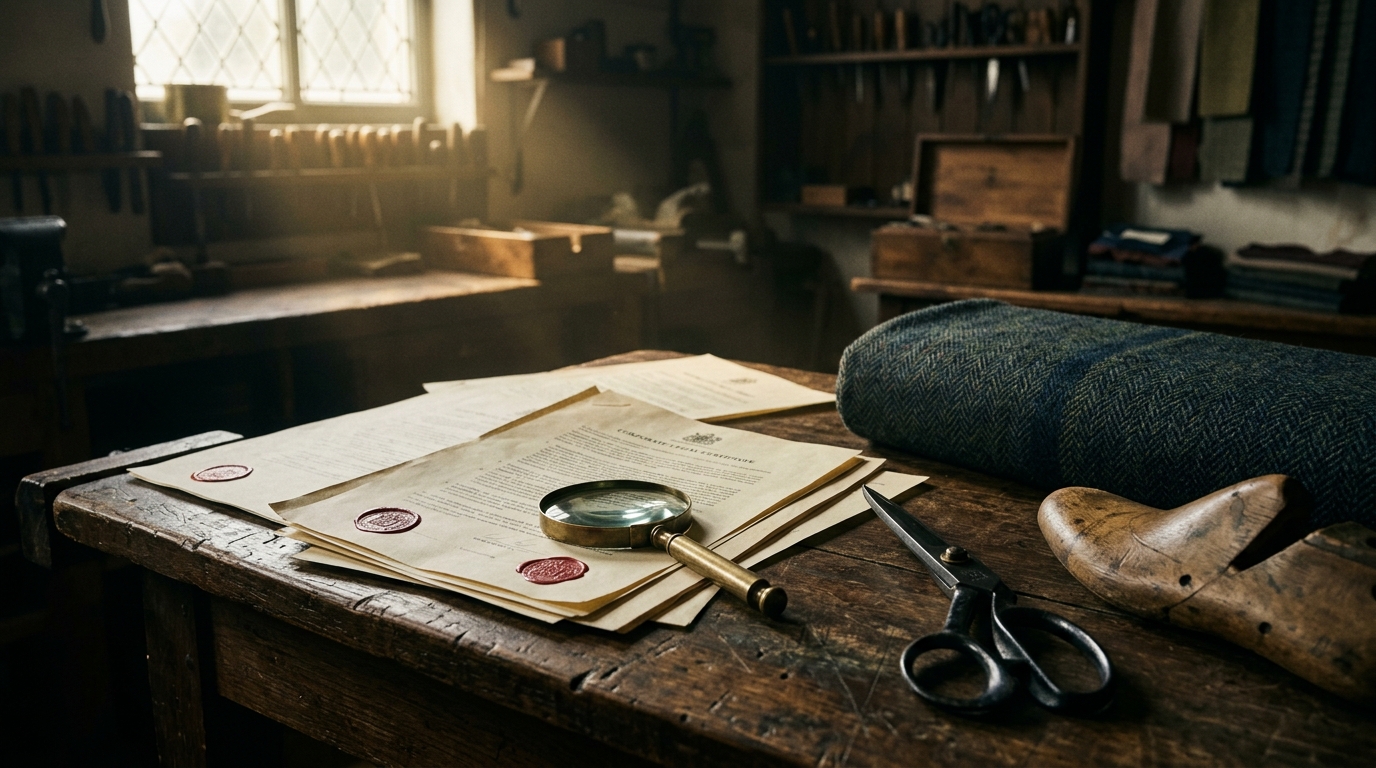
The Corporate Wolves in Craft Clothing: Nine Heritage Brands That Aren't Independent Anymore
Nine firms in our own directory turned out to be owned by conglomerates in Japan, Korea, France and Denmark — while every word of their marketing still said family workshop. Here's how a heritage brand keeps its story after it stops keeping its independence, and how we caught it.
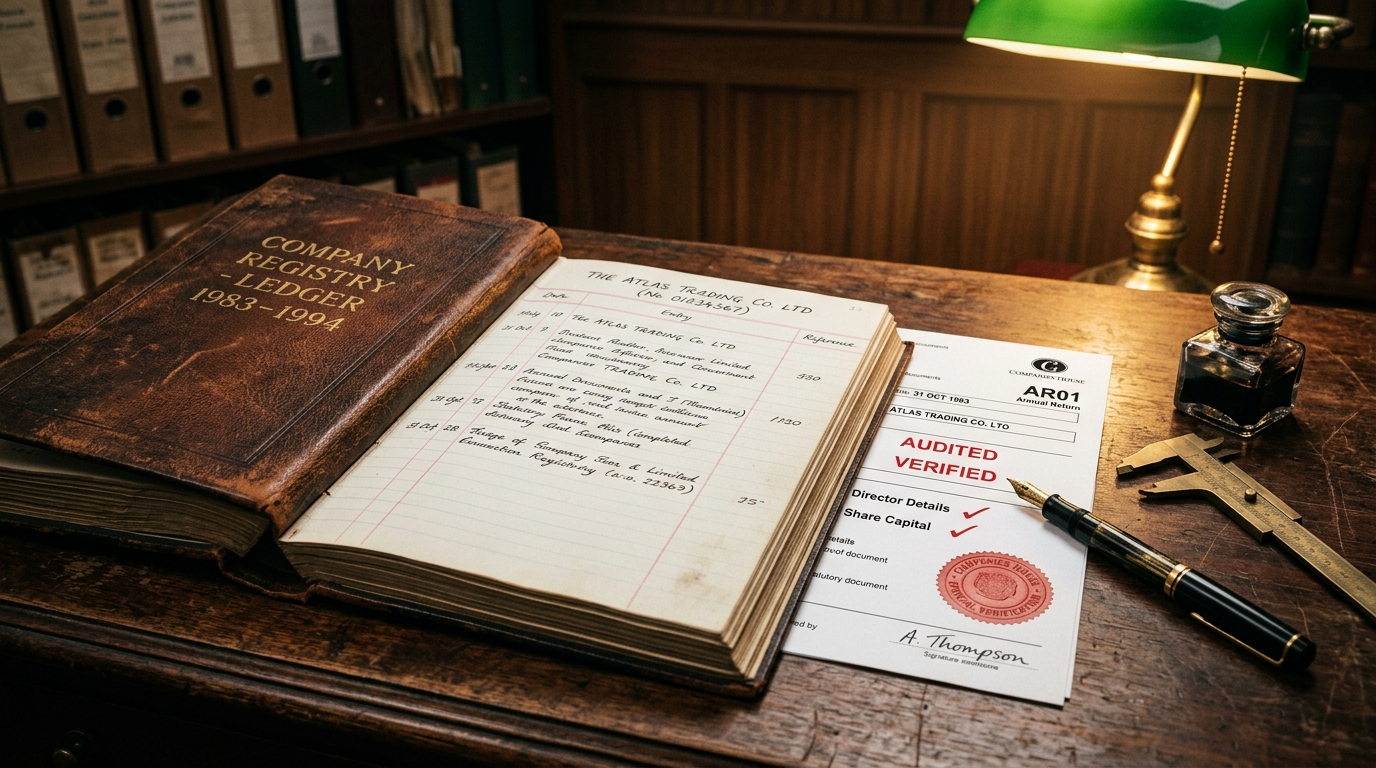
How We Audit Ownership: The Method Behind "Verified Independent"
Every firm in our directory is checked against Companies House filings, not marketing copy. Here's the exact method, the four evidence grades we use, the disqualifying criteria, and what happened the one time we didn't apply it rigorously enough.
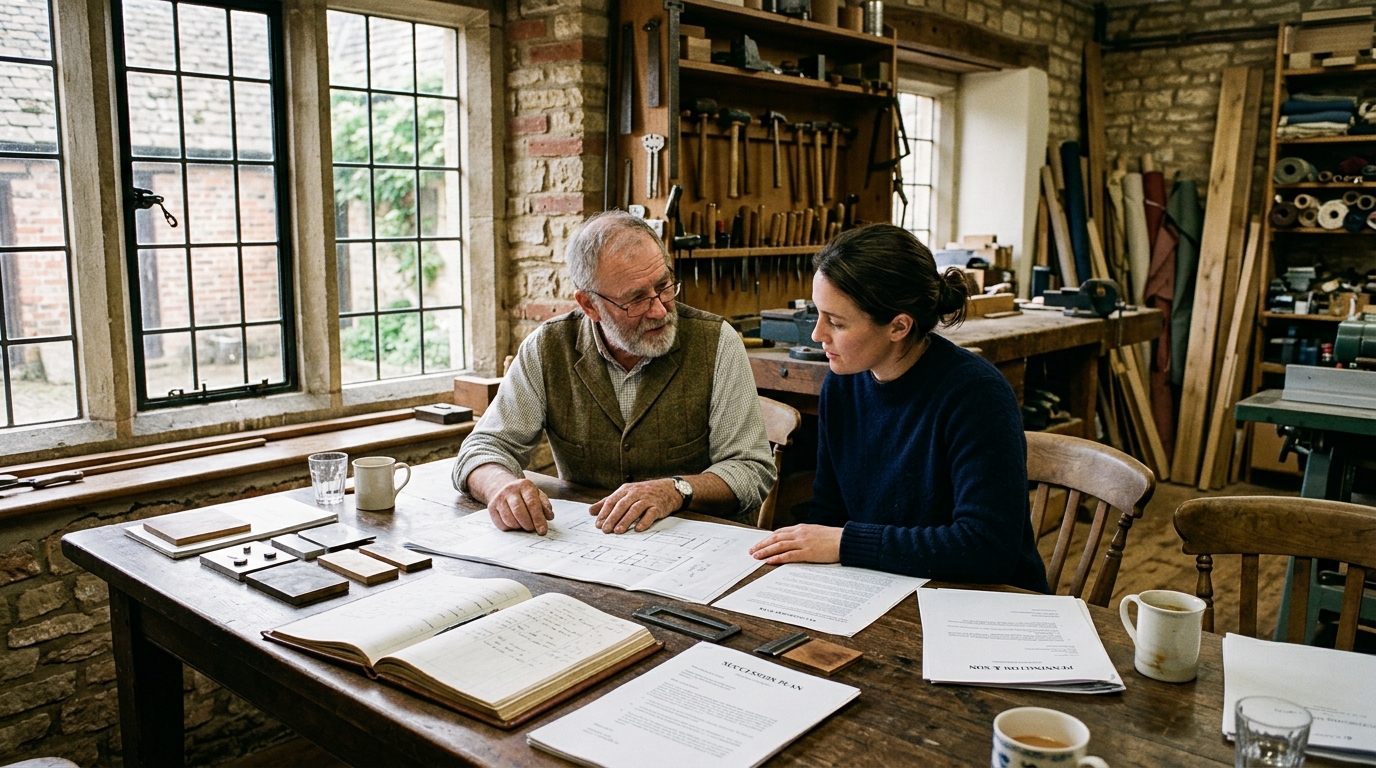
Before You Sell: A Founder's Guide to Keeping Your Firm Independent
Nine heritage firms in our own directory turned out to be corporate-owned. A few, facing the same pressures, kept their independence anyway — through a management buyout, a craft syndicate, a minority investment instead of a sale. Here's what separated them, in questions you can ask before you sign anything.